Sustainable Fashion: The Future of Style
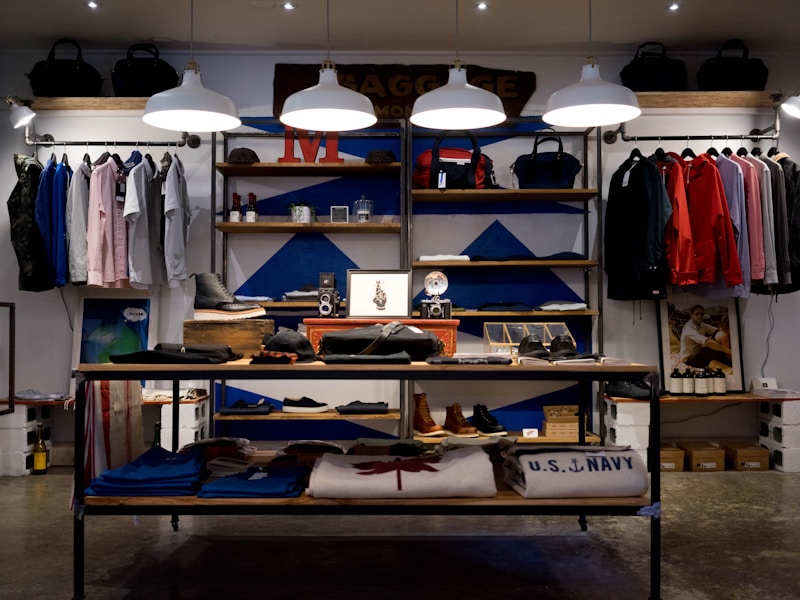
The fashion industry is undergoing a revolutionary transformation as consumers increasingly demand sustainable and ethical alternatives. This shift isn't just a trend—it's a fundamental change in how we think about clothing and its impact on our planet.
The Environmental Impact of Fast Fashion
Fast fashion has long been criticized for its environmental footprint. The industry is responsible for 10% of global carbon emissions and is the second-largest consumer of water worldwide. Every year, millions of tons of clothing end up in landfills, where synthetic materials can take hundreds of years to decompose.
However, a new wave of sustainable fashion brands is proving that style and sustainability can coexist. These companies are reimagining every aspect of the fashion lifecycle, from sourcing materials to manufacturing processes and end-of-life disposal.
Innovative Materials Leading the Way

One of the most exciting developments in sustainable fashion is the emergence of innovative materials. Brands are experimenting with everything from mushroom leather to recycled ocean plastic, creating fabrics that are both beautiful and environmentally responsible.
- Recycled Polyester: Made from plastic bottles, this material reduces waste while maintaining durability
- Organic Cotton: Grown without harmful pesticides, using significantly less water than conventional cotton
- Hemp: A fast-growing crop that requires minimal water and pesticides
- Bamboo: Naturally antimicrobial and biodegradable
Leading Sustainable Fashion Brands

Several brands are setting the standard for sustainable fashion. Patagonia has long been a leader in environmental responsibility, while newer brands like Everlane and Reformation are making sustainability accessible to mainstream consumers.
These companies are not just using sustainable materials—they're also implementing fair labor practices, reducing waste in production, and creating take-back programs for used clothing.
How to Build a Sustainable Wardrobe

Building a sustainable wardrobe doesn't mean sacrificing style. Here are some practical tips:
- Buy Less, Choose Well: Invest in high-quality pieces that will last for years
- Shop Second-Hand: Thrift stores and online resale platforms offer unique finds
- Care for Your Clothes: Proper washing and storage extend garment life
- Support Sustainable Brands: Research companies' sustainability practices
- Repair and Upcycle: Learn basic mending skills or find a local tailor
The Future of Fashion

As technology advances and consumer awareness grows, sustainable fashion will become the norm rather than the exception. The industry is moving toward a circular economy model where materials are continuously reused and recycled.
This transformation represents more than just environmental responsibility—it's about creating a fashion industry that values people, planet, and profit equally. The future of fashion is sustainable, and it's already here.