10 Essential Skincare Tips for Winter
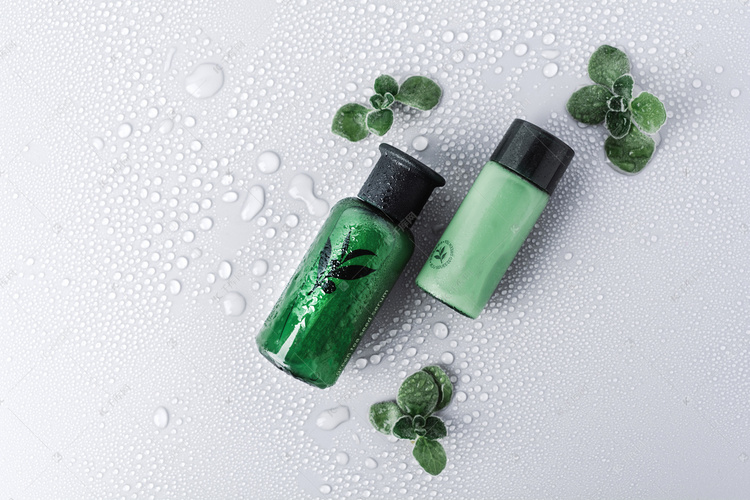
Winter weather can be harsh on your skin, causing dryness, irritation, and premature aging. As temperatures drop and humidity levels decrease, your skin needs extra care to maintain its health and radiance.
Understanding Winter Skin Challenges
Cold air holds less moisture than warm air, and indoor heating further reduces humidity levels. This combination can strip your skin of its natural oils, leading to dryness, flakiness, and increased sensitivity.
Essential Winter Skincare Routine
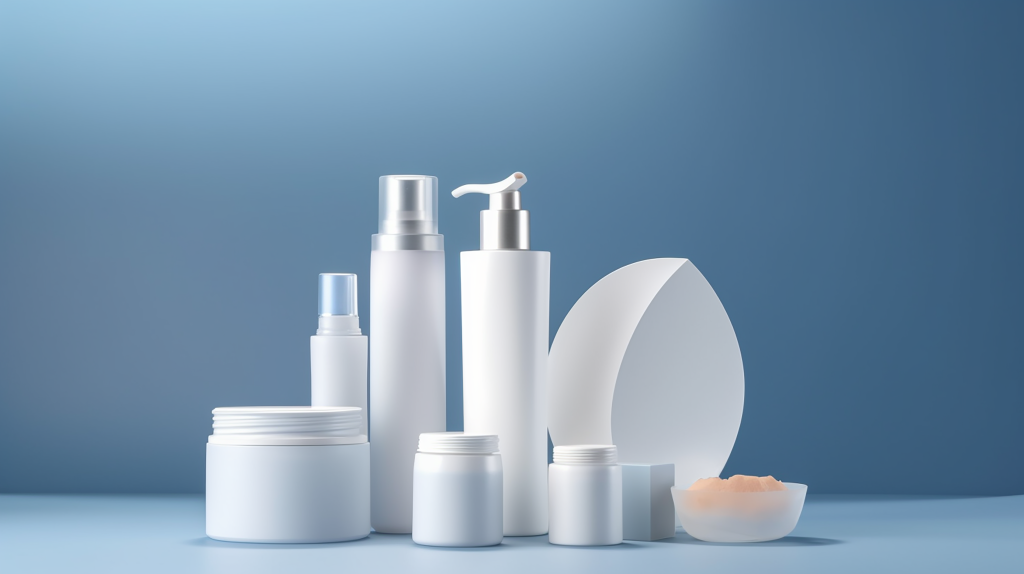
1. Gentle Cleansing
Switch to a gentle, hydrating cleanser that won't strip your skin of essential oils. Look for ingredients like ceramides, hyaluronic acid, or glycerin. Avoid harsh foaming cleansers that can further dry out your skin.
2. Exfoliate Wisely
Reduce exfoliation frequency to 1-2 times per week. Choose gentle chemical exfoliants like lactic acid or polyhydroxy acids over harsh physical scrubs. This helps remove dead skin cells without causing irritation.
3. Layer Your Hydration
Apply products in the correct order: toner, serum, moisturizer, and finally, facial oil. This layering technique helps lock in moisture throughout the day and creates a protective barrier against harsh weather.
4. Don't Skip Sunscreen
UV rays are present year-round, even on cloudy winter days. Use a broad-spectrum SPF 30 or higher daily, especially if you're near snow or water that reflects UV rays. This is crucial for preventing premature aging and skin damage.
5. Invest in a Humidifier
Adding moisture to your indoor air can significantly improve your skin's hydration levels. Aim for 40-60% humidity in your home. This simple addition can make a dramatic difference in your skin's appearance and comfort.
Winter-Specific Ingredients to Look For

- Hyaluronic Acid: Attracts and retains moisture, plumping the skin
- Ceramides: Restore the skin's protective barrier and prevent moisture loss
- Niacinamide: Reduces inflammation and improves skin texture
- Peptides: Support collagen production and skin repair
- Occlusives: Create a protective barrier (petrolatum, dimethicone)
Common Winter Skin Problems and Solutions

Dry, Flaky Skin
Increase moisturizer frequency and consider adding a hydrating serum. Avoid hot showers and harsh soaps. Use lukewarm water and pat your skin dry gently.
Chapped Lips
Use a lip balm with occlusive ingredients like beeswax or petrolatum. Apply throughout the day and before bed. Avoid licking your lips as this can make the problem worse.
Hand Eczema
Wear gloves when washing dishes or going outside. Use a thick hand cream with ceramides and apply after every hand wash. Consider wearing cotton gloves at night with hand cream.
Lifestyle Tips for Healthy Winter Skin

Beyond skincare products, your lifestyle choices significantly impact your skin's health during winter:
- Stay hydrated by drinking plenty of water throughout the day
- Eat foods rich in omega-3 fatty acids like salmon, walnuts, and flaxseeds
- Get adequate sleep for proper skin repair and regeneration
- Manage stress levels as stress can worsen skin conditions
- Exercise regularly to improve circulation and skin health
When to See a Dermatologist
If you experience persistent skin issues despite following a proper winter skincare routine, consult a dermatologist. Signs that warrant professional attention include severe dryness, persistent irritation, or skin conditions that worsen in winter.